If you own one of Oak Ridge's original cemesto houses and you're getting ready to list, you've probably already typed some version of this into Google: do I have to write the word "asbestos" on my disclosure form? The honest answer is yes, if you know it's there. But that question isn't the one that's going to move your price. The letter on your house is.
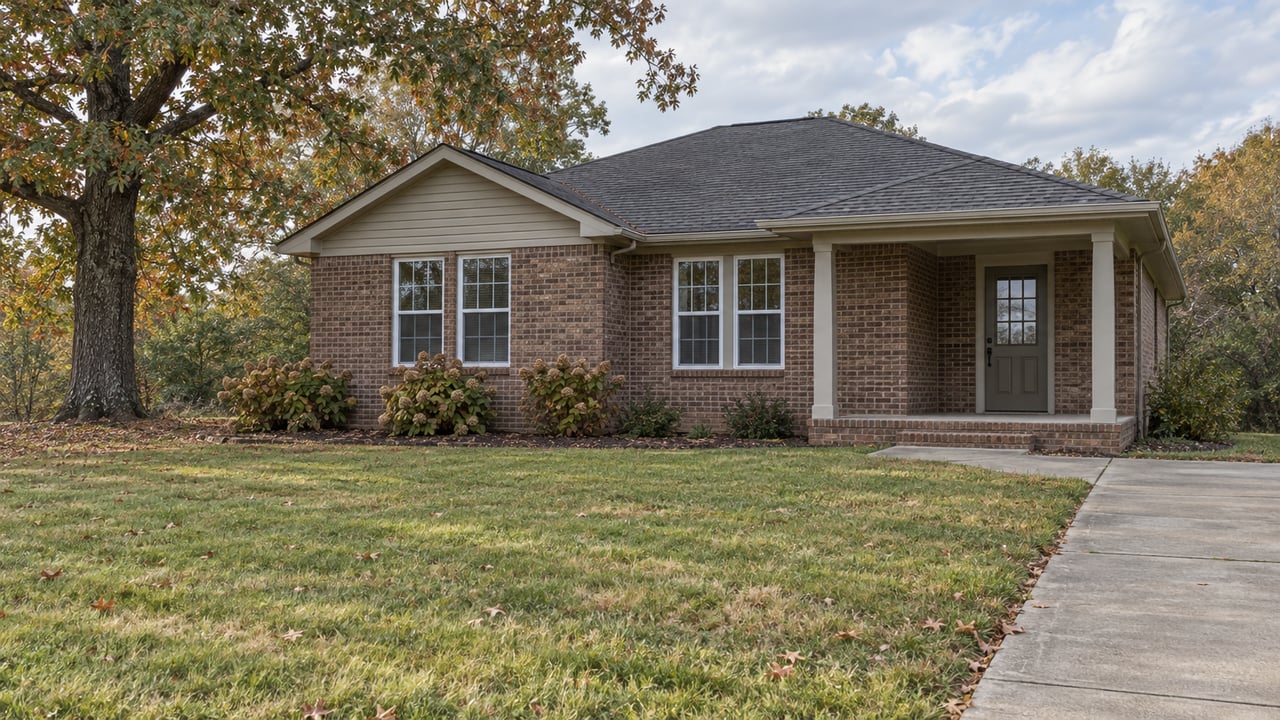
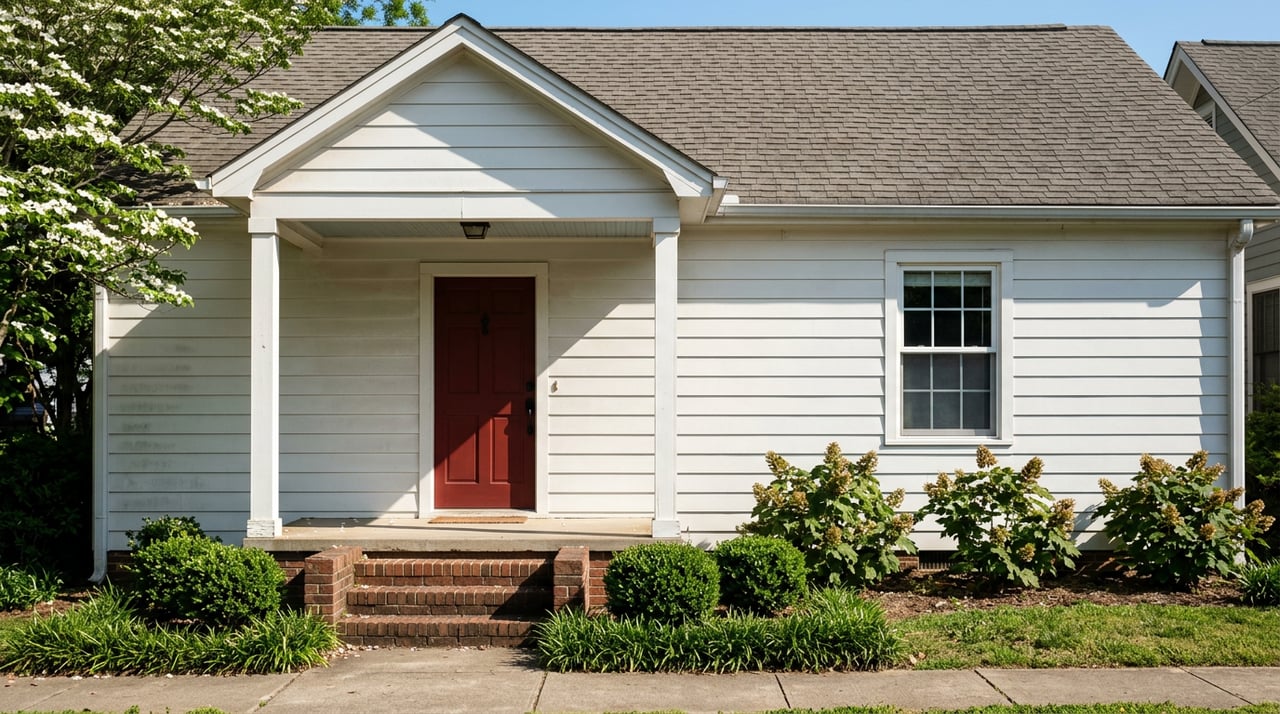
Oak Ridge's oldest neighborhoods are full of homes built almost overnight in 1942 and 1943, when the Army created the town from scratch to house the workers building the atomic bomb. The architecture firm Skidmore, Owings and Merrill, the same firm that designed Jackson Square, laid out the housing plan using a simple system: each floor plan got a letter of the alphabet, running roughly in order of size. A Type A house was smaller, with fewer bedrooms and less square footage, than a Type D. Locals still call the whole category "Alphabet Houses," and the walls in most of them are cemesto, a cement-and-asbestos board that let crews throw up a town of thousands of houses in a matter of months.
That single construction detail shows up on every one of these listings in the same place: the seller disclosure form. But it's not what separates a house that sells fast from one that sits. The letter does that.
The Letter Was Never About The Material. It Was About The Room Count.
Every cemesto house in Oak Ridge is built from the same wall panel. What isn't the same is how much house you get. A Type A house ran about 768 square feet. A Type G house, one of the rarer designs built later in East Village, came in at 672 square feet, 96 square feet smaller than an A. Local historian D. Ray Smith has confirmed that G and H types exist at all, and residents who own them put the total count somewhere around eight to ten houses in the entire town. That's not a footnote. That's a house type so uncommon that most agents working Oak Ridge will go years without listing one.
Contrast that with a Type D, which the National Park Service's own history of Oak Ridge alphabet housing describes as generally larger and better suited to families than the earlier letters in the sequence. Buyers who've spent any time house hunting in Oak Ridge already know this shorthand. They ask "what letter is it" before they ask about the walls, because the letter tells them the floor plan, the bedroom count, and roughly what to expect before they've pulled into the driveway.
If you want to see what one of the early designs actually looked like, the Children's Museum of Oak Ridge keeps an original Type A Flat-Top house on its grounds. It's not open for public tours right now, but it's a physical record of a house built to hold one or two people during a war, some of which are still occupied, expanded, and sold today.
What Tennessee Actually Requires You To Put On The Form
Here's where the anxiety usually lives, and where it's mostly misplaced. Tennessee's Residential Property Disclosure Act, codified at Tenn. Code Ann. § 66-5-201 through 210, requires a seller to give buyers a disclosure statement before a purchase contract is signed, unless the buyer waives that right. The form asks about hazardous materials, including asbestos, radon, and lead-based paint. You are required to disclose what you actually know. You are not required to hire an inspector, commission testing, or go looking for problems you don't already know exist.
That last part matters for a cemesto house specifically. The asbestos in these walls isn't loose insulation drifting through an attic. It's bonded into a cement panel that's been sitting in place, largely undisturbed, since the 1940s. Homeowners who've lived in these houses for decades describe them as well built with no real safety issue unless the board itself gets cut into during a renovation. That's a meaningfully different risk profile than the asbestos disclosures buyers picture when they hear the word, and it's worth saying plainly on the form rather than leaving buyers to imagine the worst.
Because every cemesto in Oak Ridge was built years before 1978, federal law layers on a second disclosure regardless of what you know about the walls: the Lead-Based Paint Hazard Reduction Act requires sellers of pre-1978 homes to provide an EPA-approved pamphlet, include a lead warning statement in the purchase contract, and disclose any lead paint they're aware of. If you're selling a Type A, C, D, or any other letter in this category, this disclosure applies to you automatically, independent of anything to do with the walls themselves.
The Clock That Starts At Closing, Not At Listing
One detail that catches sellers off guard: DocJacket says the one-year window Tennessee gives buyers to bring a claim over an undisclosed defect doesn't start on your closing date. It starts when the buyer discovers, or reasonably should have discovered, the problem. Practically, that means a disclosure you make honestly and completely at the time of sale is your best protection well after the transaction closes, not just during it. Keeping records of what you knew, when you knew it, and what you disclosed is worth more than most sellers realize, especially in a housing stock where "unknown condition behind a 1940s wall panel" is a real category, not a hypothetical one.
What Oak Ridge's Own Numbers Say About All This
If disclosed asbestos in a wall panel were actually scaring buyers off, you'd expect to see it in the data: longer time on market, softer prices, more price cuts on the town's oldest inventory relative to newer construction. That's not what's showing up.
Over the three months ending in May 2026, Oak Ridge's median sale price ran about $395,000, up 14.4 percent from the same period the year before, with homes selling in an average of 52 days, actually a bit faster than the 54-day average from the year before. Heading into late summer, an August 2026 market snapshot put the median list price at $385,000. A separate spring 2026 look at the market cited a median sale price closer to $400,000 and a median listing price just under $410,000, with homes selling only slightly below asking. None of these numbers describe a market punishing older, disclosure-heavy inventory.
That makes sense once you consider what buyers touring Oak Ridge are actually comparing. More than 65 percent of the city's homes were built before 1979. A buyer walking through a cemesto isn't weighing it against a newer subdivision house down the street with a clean disclosure form. They're weighing it against the house two doors down, which is very likely the same age, built from the same panel, and carrying the same disclosures. The comparison set normalizes the material. What it doesn't normalize is square footage, bedroom count, and lot placement, which is exactly what the letter system was built to signal in the first place.
That's the actual lesson for anyone pricing a cemesto for sale this year. The disclosure form is a procedural step, not a pricing lever. The letter on your house, and what it tells buyers about size and layout before they ever walk in, is doing far more work on your final number than the words "asbestos cement board" ever will.
Frequently Asked Questions
What if I genuinely don't know whether my house has asbestos? Tennessee's disclosure law is built around what you actually know. You're not required to hire an inspector or conduct independent testing just to fill out the form. If you have no actual knowledge of a defect, you're not required to disclose what you don't know.
Does the lead paint disclosure apply even if my house has been fully renovated? Yes. Any home built before 1978 falls under the federal lead-based paint disclosure requirement regardless of renovations, and every cemesto in Oak Ridge was built well before that cutoff.
Is a Type A or Type G house harder to sell because it's smaller? Not necessarily. Smaller letter types often appeal to buyers looking for a starter home or a low-maintenance second property, and their rarity, particularly with G and H types, can work in a seller's favor rather than against it.
If you're sitting on a cemesto and trying to figure out what your specific letter, lot, and condition are actually worth in today's market, that's a conversation worth having before you fill out a single form. Search Listings or Contact Christina to talk through what selling your Oak Ridge home actually looks like this year.
This article is general information, not legal, tax or financial advice. Consult a qualified professional about your situation.